Korean Black Bean Noodles Jjajang
Highlighted under: Festive Favorites
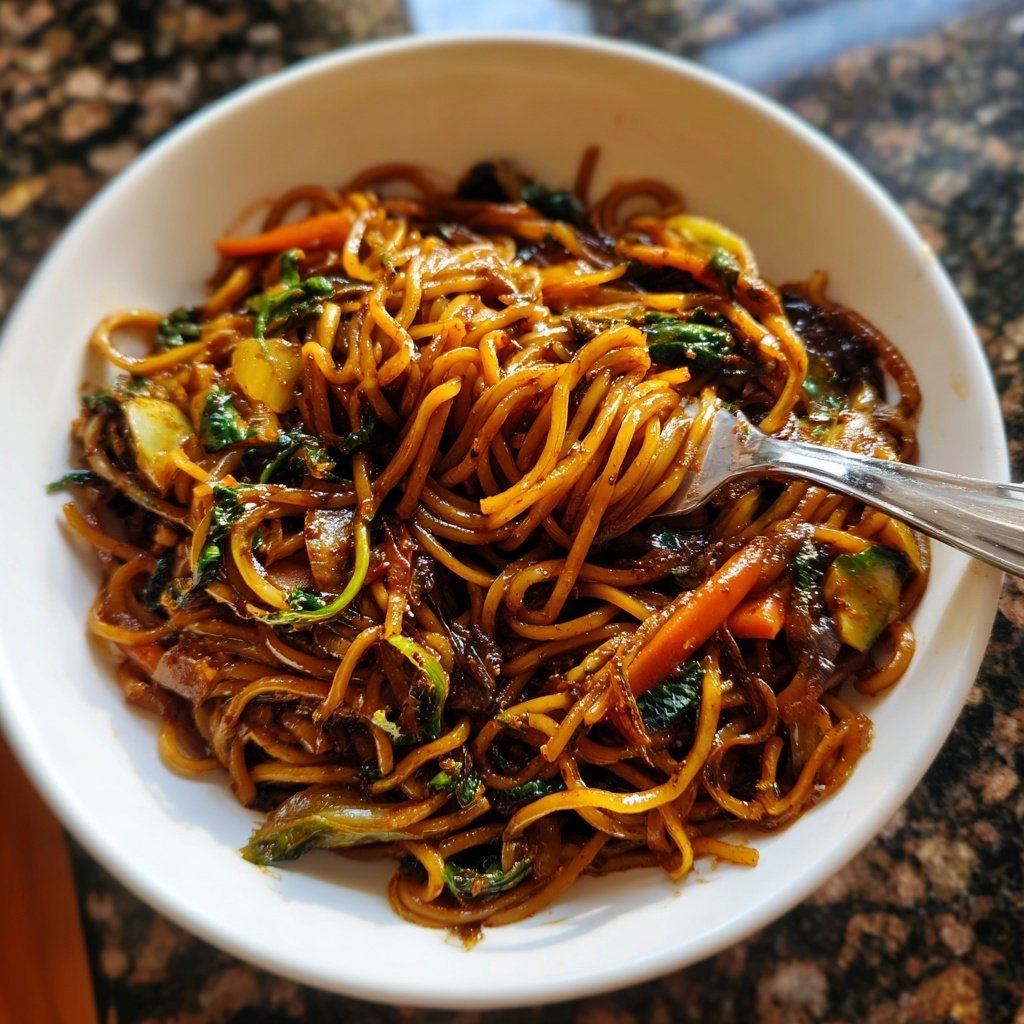
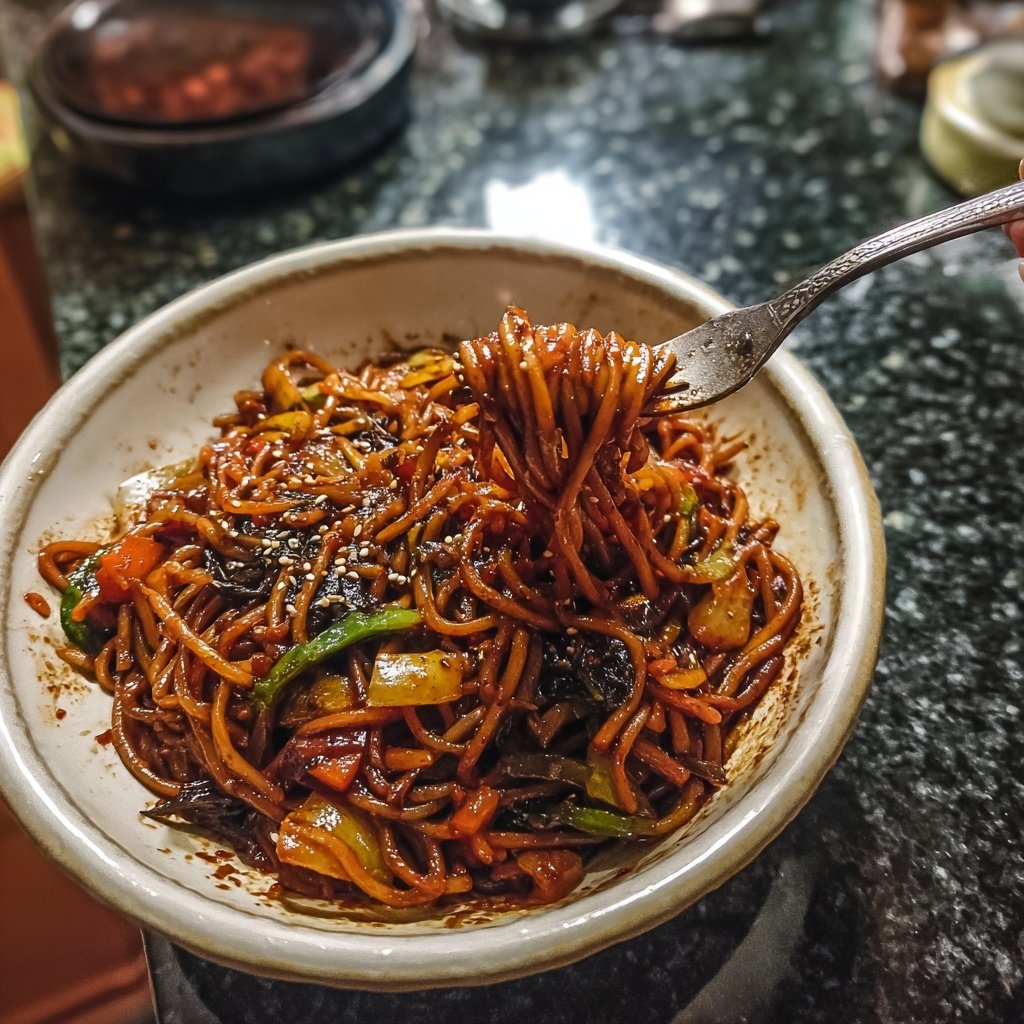
Discover the delightful flavors of Korean Black Bean Noodles, also known as Jjajang. This savory dish combines chewy noodles with a rich black bean sauce, perfect for a comforting meal.
Korean Black Bean Noodles, or Jjajang, is a beloved dish in Korea, often enjoyed on special occasions or simply as a comforting weeknight meal. The rich black bean sauce is made from fermented black soybeans, which adds depth and umami to the dish. Pair it with fresh vegetables and chewy noodles for a delightful experience.
Why You'll Love This Recipe
- Rich, savory black bean sauce with a hint of sweetness
- Chewy noodles that soak up the flavorful sauce
- Quick and easy to prepare for a weeknight dinner
- A comforting dish that satisfies cravings
The Origins of Jjajang
Jjajang, or Korean Black Bean Noodles, has a fascinating history rooted in Chinese cuisine. It was introduced to Korea by Chinese immigrants in the late 19th century, evolving into its own distinct dish. The name 'Jjajang' comes from the black bean sauce, known as 'chunjang,' which is the star of this savory meal. Over the years, Jjajang has become a beloved comfort food in Korea, often enjoyed on special occasions and family gatherings.
The dish's adaptability has contributed to its popularity. While traditional recipes feature pork belly, modern variations may include chicken or vegetables, catering to different dietary preferences. Today, Jjajang is not only a staple in Korean households but also a favorite at Korean restaurants worldwide, showcasing the rich culinary exchange between cultures.
Perfecting Your Jjajang
To achieve the best flavor in your Jjajang, selecting high-quality black bean paste is essential. Look for brands that offer authentic Korean doenjang, as this will greatly enhance the dish’s depth and richness. If you prefer a vegetarian option, you can substitute the pork with tofu or mushrooms, ensuring the dish remains hearty and satisfying while still capturing that signature Jjajang taste.
Cooking the noodles just right is also crucial. Aim for an al dente texture, as this will help them hold up better when mixed with the sauce. Additionally, allowing the sauce to simmer for a sufficient amount of time will ensure that all the flavors meld beautifully, resulting in a deliciously cohesive dish.
Serving Suggestions
Jjajang is typically served with a side of pickled radishes, which adds a refreshing crunch and balances the dish's richness. You can also pair it with a simple cucumber salad for a light and refreshing contrast. For those who enjoy a bit of spice, consider adding a drizzle of chili oil or some sliced fresh chilies to your bowl for an extra kick.
This dish is perfect for gatherings and can be made in larger batches, making it a great option for meal prepping. Store leftovers in an airtight container in the fridge, and simply reheat for a quick and satisfying meal later in the week. With its robust flavors and comforting qualities, Jjajang is sure to become a regular fixture in your dinner rotation.
Ingredients
Gather the following ingredients to create this delicious Jjajang:
Ingredients
- 8 oz thick wheat noodles
- 1 cup diced pork belly (or beef)
- 1 medium onion, diced
- 1 medium zucchini, diced
- 1 medium potato, diced
- 1 cup diced cabbage
- 1/2 cup black bean paste (doenjang)
- 2 tablespoons soy sauce
- 1 tablespoon sugar
- 2 tablespoons vegetable oil
- 2 cups water
- 2 green onions, sliced for garnish
Make sure all ingredients are fresh for the best flavor!
Instructions
Follow these steps to make your Jjajang:
Cook the Noodles
Boil the thick wheat noodles according to package instructions until al dente. Drain and set aside.
Prepare the Sauce
In a large pan, heat vegetable oil over medium heat. Add the diced pork belly and cook until browned.
Add Vegetables
Stir in the onion, zucchini, potato, and cabbage. Cook for about 5 minutes until vegetables start to soften.
Make the Black Bean Sauce
Add the black bean paste, soy sauce, sugar, and water to the pan. Stir well and let it simmer for 10 minutes until the sauce thickens.
Combine and Serve
Add the cooked noodles to the sauce, mixing well to coat. Serve hot, garnished with sliced green onions.
Enjoy your homemade Korean Black Bean Noodles!
Pro Tips
- For an extra kick, add some chili paste or fresh chili slices to the sauce.
Nutritional Benefits
Korean Black Bean Noodles offer a balanced meal packed with essential nutrients. The dish features protein from pork belly and a variety of vegetables, providing vitamins and minerals that support overall health. The black bean paste is rich in antioxidants, which can help reduce inflammation and promote heart health.
Additionally, the thick wheat noodles provide a good source of carbohydrates, giving you the energy needed for your day. While Jjajang is often considered a comfort food, it can also be a nutritious option when prepared with fresh ingredients and enjoyed in moderation.
Variations to Try
There are numerous ways to customize your Jjajang to suit your tastes. For a seafood twist, consider adding shrimp or squid to the mix, which can elevate the dish's flavor profile. Alternatively, for a vegetarian version, you can incorporate a medley of seasonal vegetables like bell peppers, carrots, and mushrooms, making it both colorful and nutritious.
Another fun variation is to serve Jjajang over rice instead of noodles, creating a different texture and experience while keeping all the beloved flavors intact. Whichever way you choose to make it, the versatility of Jjajang ensures that it can cater to various preferences and occasions.
Questions About Recipes
→ Can I use other types of noodles?
Yes, you can substitute with other noodles like rice noodles or egg noodles if you prefer.
→ Is this dish vegetarian-friendly?
You can make it vegetarian by omitting the meat and using tofu or additional vegetables.
→ How do I store leftovers?
Store leftovers in an airtight container in the refrigerator for up to 3 days. Reheat before serving.
→ Can I freeze Jjajang?
It's best to freeze the sauce separately from the noodles. You can freeze the sauce for up to 2 months.
Korean Black Bean Noodles Jjajang
Created by: The Flavorhandbook Team
Recipe Type: Festive Favorites
Skill Level: Intermediate
Final Quantity: 4 servings
What You'll Need
Ingredients
- 8 oz thick wheat noodles
- 1 cup diced pork belly (or beef)
- 1 medium onion, diced
- 1 medium zucchini, diced
- 1 medium potato, diced
- 1 cup diced cabbage
- 1/2 cup black bean paste (doenjang)
- 2 tablespoons soy sauce
- 1 tablespoon sugar
- 2 tablespoons vegetable oil
- 2 cups water
- 2 green onions, sliced for garnish
How-To Steps
Boil the thick wheat noodles according to package instructions until al dente. Drain and set aside.
In a large pan, heat vegetable oil over medium heat. Add the diced pork belly and cook until browned.
Stir in the onion, zucchini, potato, and cabbage. Cook for about 5 minutes until vegetables start to soften.
Add the black bean paste, soy sauce, sugar, and water to the pan. Stir well and let it simmer for 10 minutes until the sauce thickens.
Add the cooked noodles to the sauce, mixing well to coat. Serve hot, garnished with sliced green onions.
Extra Tips
- For an extra kick, add some chili paste or fresh chili slices to the sauce.
Nutritional Breakdown (Per Serving)
- Calories: 600 kcal
- Total Fat: 25g
- Saturated Fat: 8g
- Cholesterol: 75mg
- Sodium: 900mg
- Total Carbohydrates: 80g
- Dietary Fiber: 5g
- Sugars: 6g
- Protein: 20g